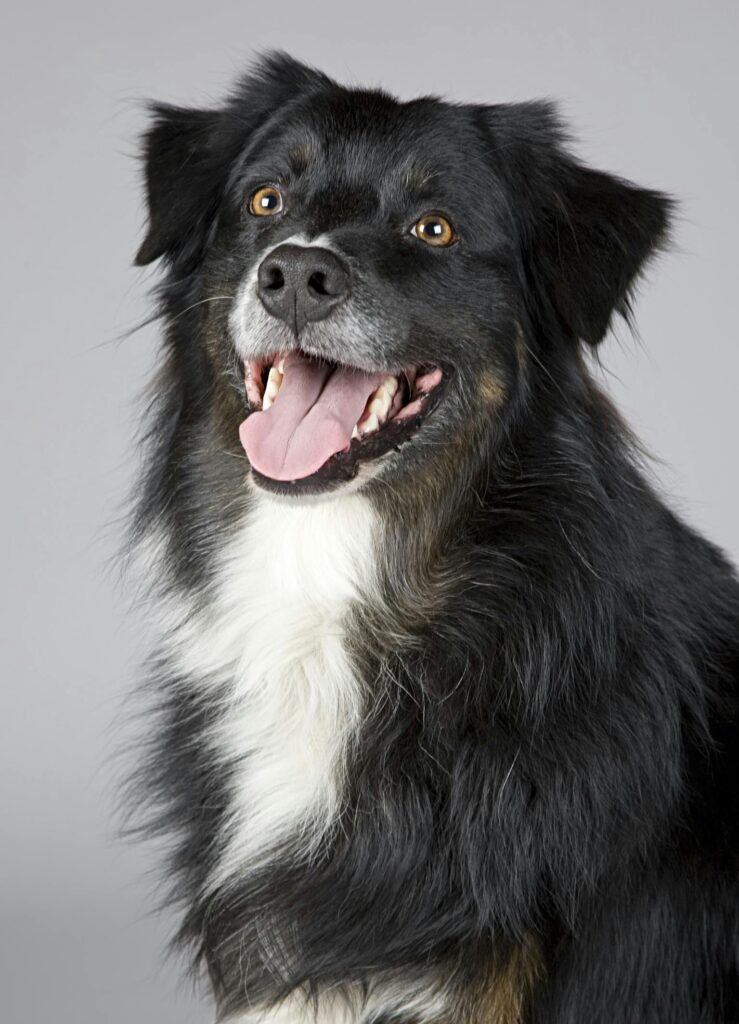


Your one-stop resource for keeping your canine companion happy and healthy! Explore all the essentials you need to provide the best care, from feeding and grooming to training and health. Start your dog care journey here with easy tips and expert advice.
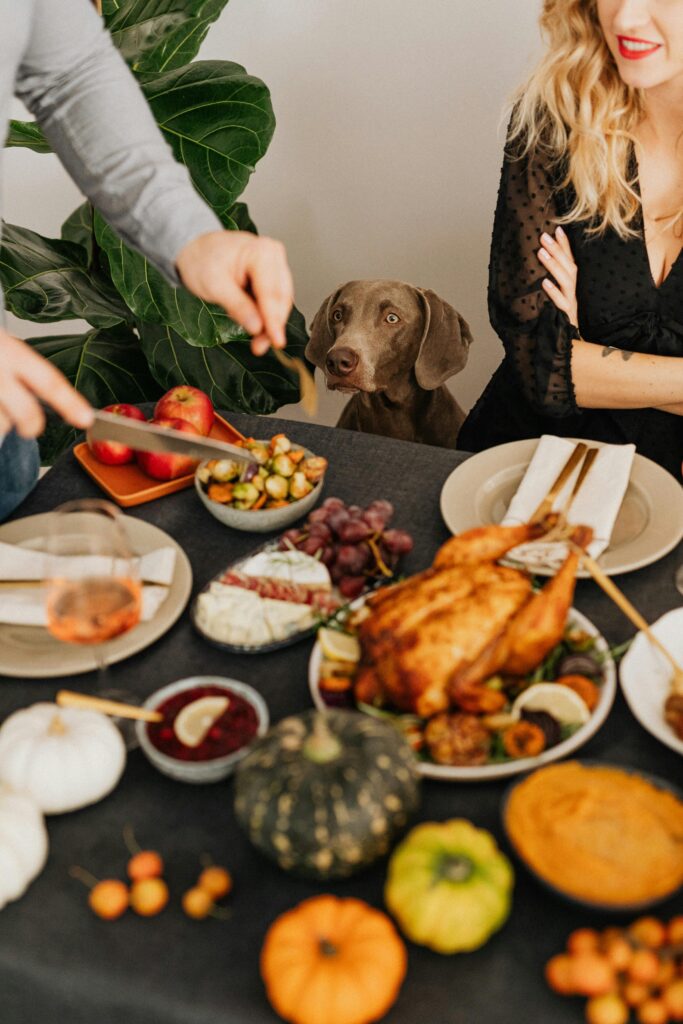
Step-by-Step Guide to Feeding Your Dog
- Choose food tailored to your dog’s age, breed, and activity level. Puppies and seniors have different nutritional needs, and active dogs require more calories.
2. Determine portion sizes by weight and energy level, adjusting as your dog grows or activity changes.
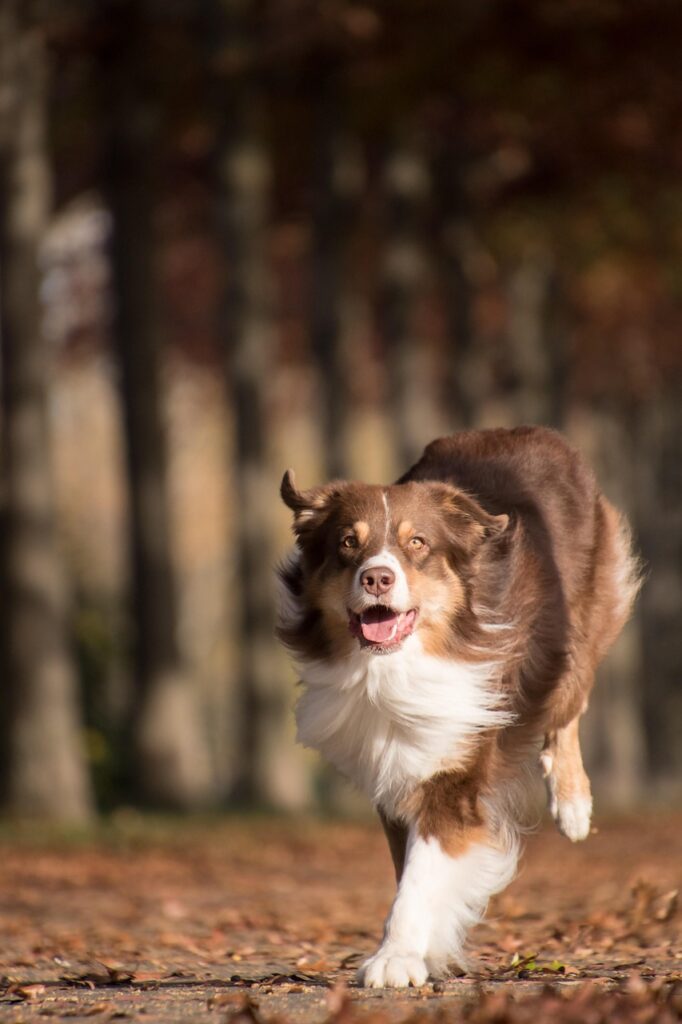
Establish a twice-daily feeding schedule to maintain digestion and metabolism. Always provide fresh, clean water for hydration.
Mastering the Art of Dog Grooming: A Simple Guide
More details
Brushing Techniques
Select brush type by coat: slicker for tangles, bristle for short coats, rakes for thick undercoat.
Bathing & Nail Care
Bathtime every 4-6 weeks with dog-specific shampoo; trim nails safely using clippers, avoiding quick.
Ear & Dental Care
Clean ears regularly to prevent infections and brush teeth using dog toothpaste; provide dental chews.
Review Us
Potty Training 101: A Simple Guide to Success
1. Create a Potty Schedule
Schedule bathroom breaks appropriate to your dog’s age and breed, typically every 2-4 hours for puppies
2. Choose a Consistent Potty Spot
Select a fixed outdoor location to help your dog associate that spot with bathroom breaks.
3. Use Positive Reinforcement
Reward your dog immediately after successful bathroom visits with treats and praise.
4. Handle Accidents Calmly
Clean accidents thoroughly using enzymatic cleaners; avoid punishment to prevent anxiety.
5. Crate Training Benefits
Use a crate as a safe space to encourage bladder control and reduce accidents inside the home.
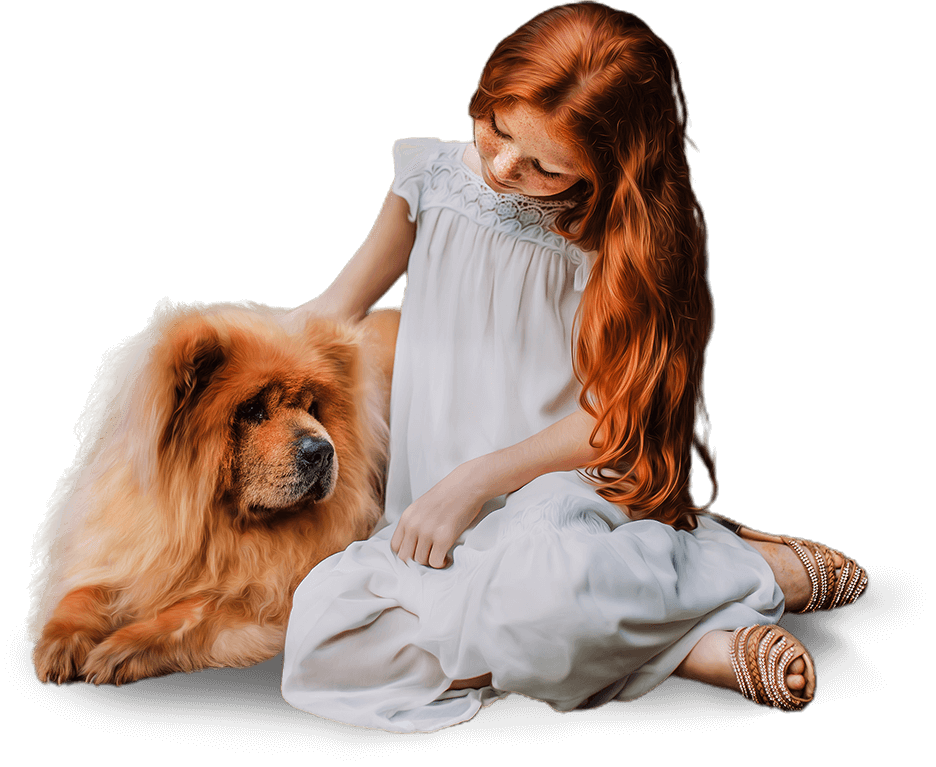

Exercise and Playtime: Keeping Your Dog Active
Daily Exercise Needs
Exercise varies by breed and age: young, active breeds require 1-2 hours daily, while seniors need gentler activity.
Variety of Activities
Engage your dog with walking, running, swimming, and fetch to keep muscles strong and energy balanced.
Mental Stimulation
Use puzzle toys and training games to challenge your dog’s mind and reduce boredom behaviors.
Safe Play Environment
Provide safe areas such as fenced yards or dog parks ensuring supervised fun without risks.
Training Your Dog: Basic Commands and Beyond
Basic Commands
Teach sit, stay, come, and down with clear, consistent cues and rewards.
Positive Reinforcement
Use clicker training and treats to motivate and reinforce good behavior.
Behavioral Challenges
Address excessive barking and chewing through redirection and structured play.
Socialization
Expose your dog to varied people, pets, and environments to develop confidence and reduce anxiety.
Essential Health Care for Your Dog: A Checklist
1. Regular Vet Visits
Maintain vaccinations and parasite prevention through scheduled checkups.
2. Recognize Illness Signs
Watch for lethargy, appetite loss, or unusual behavior as early illness indicators.
3. First Aid Preparedness
Keep a pet-specific first aid kit for minor injuries and emergencies.
4. Disease Prevention
Learn about common dog illnesses and how to reduce risks through care and hygiene.
Common Dog Care Issues and How to Solve Them
Fleas & Ticks
Prevent infestations with regular treatments and clean living areas.
Skin Allergies
Identify allergens early and consult vets for medicated shampoos and diet adjustments.
Digestive Issues
Adjust diet and seek veterinary advice for persistent vomiting, diarrhea, or appetite loss.
Behavior Problems
Engage professional trainers to manage persistent behavioral concerns effectively.
Conclusion: Your Journey to Confident Dog Care
Consistent care, training, and attention build a strong bond with your dog.
Use this guide as a foundation for lifelong health and happiness.
Remember, every dog is unique; adapt care to their needs and personality.